
In today’s digital-first job market, a polished and strategic LinkedIn profile can be the key to unlocking new career opportunities. It’s more than just an online resume—it’s your professional brand. Recruiters, employers, and networking contacts regularly browse LinkedIn to find qualified candidates, and a strong presence can make you stand out in a sea of profiles. Whether you’re job hunting actively or simply open to new opportunities, optimizing your LinkedIn page can help position you as a top contender.
Craft a Strong Headline and Summary
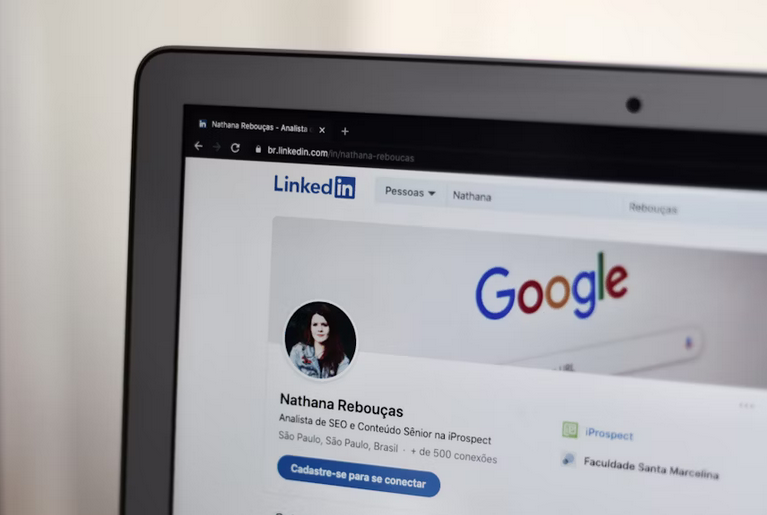
Your headline is one of the first things people see, so it should be more than just your job title. Think of it as a short, powerful pitch that combines your current role with what you offer. Your summary is where you can expand on your professional story, highlighting achievements, career goals, and what makes you unique. Use this section to include relevant keywords recruiters search for, but keep it natural and engaging.
Use a Professional Photo and Custom Banner
Your profile photo should reflect how you’d present yourself in a professional setting—clear, well-lit, and with a neutral background. A custom banner image that aligns with your industry or personal brand adds visual appeal and reinforces your expertise. Together, these visuals help establish credibility and approachability.
Highlight Experience With Results
When listing work experience, don’t just list responsibilities—focus on results. Use bullet points sparingly to describe achievements using action verbs and measurable outcomes. For example, “Led a team of five to complete a $200K project two weeks ahead of schedule” is far more compelling than “Managed team tasks.” Be concise but specific, and always tailor your content to the roles you’re targeting.
Optimize Skills and Endorsements
The skills section isn’t just filler—it’s a key part of LinkedIn’s algorithm. Identify and list skills that are in demand in your field, and make sure they match the language used in job descriptions. Ask colleagues to endorse your top skills, and return the favor to help boost mutual visibility.
Request Meaningful Recommendations
Personal recommendations act as public references. Reach out to former supervisors, colleagues, or clients and ask them to write you a recommendation that highlights specific strengths. These testimonials can validate your claims and demonstrate your value in a professional context.
Turn on Recruiter Preferences and Be Active

Activate the “Open to Work” setting to discreetly let recruiters know you’re available. Beyond that, staying active by engaging with posts, writing articles, or sharing industry news can increase your visibility. A consistent presence shows you’re knowledgeable, current, and engaged in your field.
A well-optimized LinkedIn profile is a silent job seeker working 24/7 on your behalf. From a compelling headline to skillful experience summaries, every section plays a part in building a personal brand that attracts recruiters. By fine-tuning your profile and maintaining an active presence, you transform it into a powerful tool that brings opportunities directly to you.…


 A healthcare career is perfect for you if you want to travel the world and see different places. You can work anywhere in the world, from small clinics in remote villages to large hospitals in major cities. No matter where you go, your skills will be in demand. There are endless reasons why you should consider a career in healthcare. These are just five of the many perks that come with working in this field. So, what are you waiting for?
 Bullying is a massive epidemic in schools these days. It only seems to get worse, not better, even though there is so much awareness now in the media. A lot of kids get traumatized because of bullying to the point that they are no longer interested in going to school.

 sources of opportunities. However, when a candidate inaccurately reports to a recruiter that they are thinking about a job the recruiter is working on only to keep that choice open. When the prospect prefers a different job, then the recruiter is at a downside, encouraging their customer to an individual who will likely not take the job. It isn’t so much that their customer views the recruiter as being unreliable. Many employer clients presume that the recruiter is only reporting what the prospect shares.
 Obviously, the income paid to people in particular professions depends on where you live. If you are in a big city, you will most likely make more money than if you live in a smaller town which is why finding certain job info that consists of a salary guide can be very handy in selecting your career course.